
Scaling a commercial enterprise past initial launch phases into a large business is a major milestone. However, operating at scale introduces complex operational challenges that small business owners rarely face. When managing expansive physical campuses, dozens or hundreds of employees, heavy logistics infrastructure, and millions of dollars in inventory, simple operational oversights can quickly escalate into costly operational downtime, regulatory fines, or reputation damage.
True enterprise leadership requires shifting your primary focus from short-term daily sales tactics toward long-term risk mitigation, asset preservation, and operational resilience. Managing a large organization means overseeing diverse operational ecosystems simultaneously: maintaining physical buildings, ensuring employee life safety, navigating complex vendor contracts, protecting physical assets, and keeping corporate grounds safe and presentable.
Beyond managing immediate physical infrastructure, expanding your business operations requires establishing strict administrative oversight to monitor vendor deliverables and asset depreciation across all departments. Without centralized oversight, multi-site properties often suffer from fragmented maintenance protocols, leading to overlapping service contracts, missed inspections, and unexpected capital expenditures. Developing an integrated facility management platform allows executive leadership to track maintenance lifecycles, streamline work orders, and forecast multi-year capital improvements with complete financial accuracy.
Preparing your organization for sustainable long-term success requires establishing a proactive, systemized framework across all facilities. By structuring your operations around waste management, legal compliance, climate control, pest prevention, and exterior asset maintenance, you build a resilient, high-performing corporate infrastructure.
Managing Complex Facilities and Waste Disposal
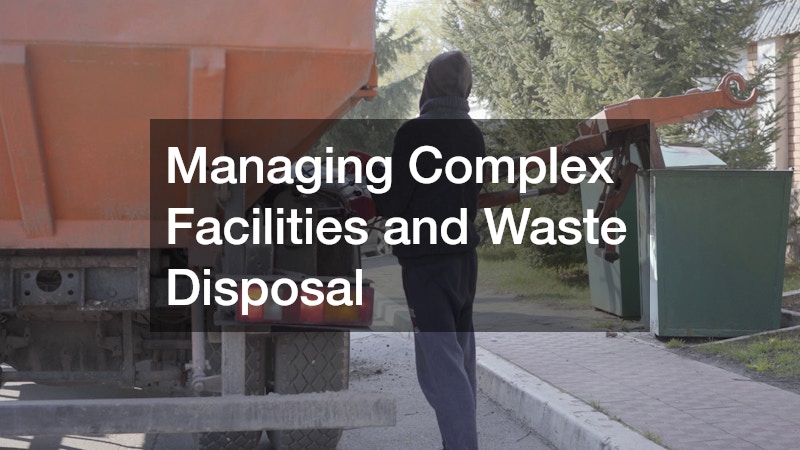
As a business grows, the sheer volume of operational waste and daily floor traffic increases exponentially. Managing waste streams across multi-tenant corporate headquarters, retail distribution hubs, or manufacturing facilities requires structured systems. Allowing waste to accumulate near loading docks or staging areas creates severe fire hazards, attracts unwanted pests, and projects an unrefined, unorganized corporate image to visiting clients and stakeholders.
Establishing a streamlined waste management system requires matching your container capacity and haul frequency to your actual operational output. Utilizing commercial dumpster rentals on revolving, flexible haul schedules ensures your property remains clean and compliant with local municipal sanitation codes. Proper waste staging prevents logistical bottlenecks around freight loading bays and protects worker safety during high-volume production shifts.
Alongside exterior waste management, maintaining high indoor hygiene standards across large commercial buildings is crucial for employee health and asset longevity. High-foot-traffic areas—such as main lobbies, executive boardrooms, open-plan office floors, and employee breakrooms—trap significant amounts of soil, moisture, and allergens within textile flooring.
Neglecting deep floor maintenance leads to permanent fiber degradation, requiring expensive premature carpet replacement across tens of thousands of square feet. Scheduling routine, specialized carpet cleaning during off-hours removes deeply embedded particulate matter, eliminates unpleasant odors, extends flooring lifespans, and maintains a pristine corporate interior that reinforces your brand’s commitment to quality.
- Audit waste volume by department: Evaluate waste output across manufacturing, dining, and administrative zones to place proper bin capacities where they are needed most.
- Establish recycling streams: Separate cardboard, wooden pallets, plastic stretch film, and metal scraps from general municipal waste to lower haul costs and hit corporate sustainability benchmarks.
- Schedule off-hours floor maintenance: Perform deep extraction cleaning on weekends or late evenings to allow carpets ample drying time before employee shifts begin.
- Implement entrance matting systems: Place heavy-duty walk-off mats at all exterior entry points to capture up to 80 percent of dirt and water before it reaches interior floors.
- Maintain dock clearance zones: Keep a strict 10-foot clear radius around all outdoor waste compactors and dumpsters to allow haul vehicles safe maneuverability.
Navigating Corporate Risk and Emergency Infrastructure
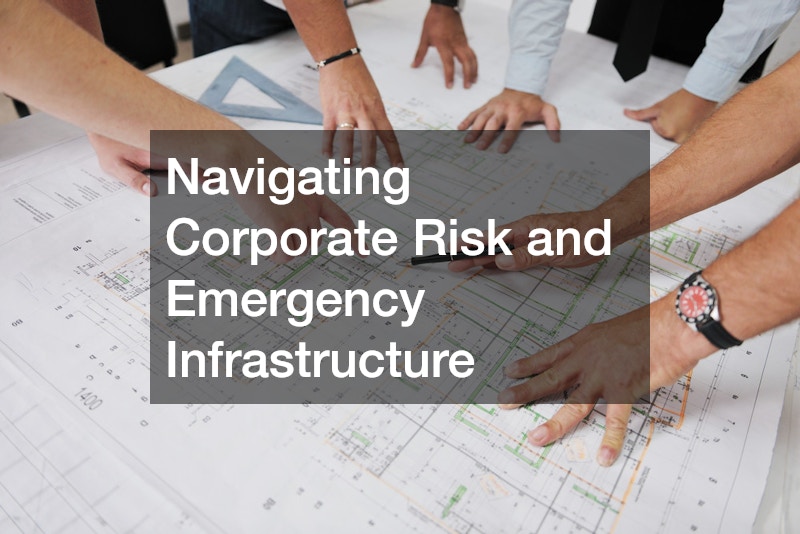
Managing an enterprise means dealing with heightened regulatory oversight, complex vendor contracts, liability exposures, and workplace safety compliance. At scale, simple oversights in legal documentation or life-safety maintenance can expose your organization to devastating lawsuits, catastrophic property losses, or severe regulatory shut-down orders.
Protecting corporate assets requires establishing strong legal partnerships to review commercial leases, vendor agreements, labor policies, and intellectual property holdings. Retaining experienced business lawyers guarantees that your firm navigates employment laws, contract disputes, and corporate compliance without exposing board members or shareholders to personal liability. Proactive legal audits safeguard your operational bottom line long before disputes reach a courtroom.
Parallel to legal protections, securing physical infrastructure against catastrophic emergencies is a primary duty of corporate leadership. Fires represent one of the most destructive threats to physical inventory, specialized machinery, data servers, and human life.
Installing, testing, and maintaining automated fire suppression systems across your properties is essential for life safety, insurance coverage compliance, and municipal building code alignment. Whether using wet-pipe sprinklers in general office spaces or specialized clean-agent chemical systems in sensitive server rooms, routine certified testing ensures these life-saving networks deploy instantly during an emergency.
Comprehensive risk management also dictates building redundancy directly into your corporate data networks and physical security operations. Enterprise organizations must establish off-site data mirror sites, automated cloud backup protocols, and secondary utility connections to guard against cyber threats and municipal grid failures. Equipping your facilities with dual-path security monitoring, centralized access badge control, and emergency backup power generators ensures that critical digital assets and security barriers remain operational during unexpected regional crises.
- Conduct bi-annual legal audits: Have corporate counsel review all active vendor contracts, non-disclosure agreements, and employment handbooks every six months.
- Maintain detailed safety logs: Keep digitized records of all municipal fire inspections, backflow testing, and alarm system audits for rapid insurance verification.
- Install clean-agent fire systems in server bays: Use non-conductive, waterless fire suppression chemicals in data centers to extinguish electrical fires without destroying sensitive hardware.
- Review insurance policy limits annually: Adjust commercial umbrella liability and property replacement policies to match fluctuating asset values and market inflation.
- Train designated floor wardens: Assign and train specific staff members on every floor to lead orderly evacuation procedures during fire alarms or weather emergencies.
Securing Physical Access and Climate Systems
Large commercial buildings house valuable inventory, proprietary technology, and hundreds of workers. Maintaining secure, efficient physical access while preserving precise indoor climate control is critical for both daily operational continuity and employee productivity. A failure in either logistics access or indoor climate control can bring corporate operations to a costly halt.
For distribution centers, manufacturing plants, and corporate fleet garages, high-volume access points are the backbone of supply chain operations. A jammed or broken commercial garage door on a busy freight bay can delay outbound shipping fleets, back up incoming supply trucks, and expose interior spaces to extreme weather conditions. Implementing preventative mechanical maintenance schedules—including spring tension adjustments, roller replacements, and sensor realignments—keeps logistics moving smoothly.
Equally important is maintaining indoor climate stability across sprawling office buildings, specialized cleanrooms, and retail showrooms. Extreme summer temperatures strain commercial cooling systems, and unexpected mechanical breakdowns force office closures, degrade sensitive technology, and spoil temperature-sensitive product inventories.
Contracting priority emergency service for commercial ac repairs ensures that certified technicians respond immediately when chillers, rooftop units, or compressor systems fail. Establishing long-term service level agreements with climate control specialists guarantees that replacement parts and emergency cooling units are deployed before internal building temperatures compromise operations.
- Schedule quarterly overhead door maintenance: Lubricate tracks, inspect high-tension steel cables, and test auto-reverse safety sensors on all loading bay doors.
- Install high-speed rollup doors in climate zones: Use rapid-closing doors between cooled warehouse spaces and ambient loading docks to minimize thermal loss.
- Perform pre-season chiller tune-ups: Service rooftop HVAC units and cooling towers in early spring before summer heat waves place maximum load on compressors.
- Implement building automation systems: Install smart thermostats and energy management software to monitor HVAC performance across campuses remotely.
- Maintain emergency generator backups: Connect critical server room cooling and security access gates to back-up diesel generators to maintain stability during grid outages.
Protecting Property Integrity and Pest Management
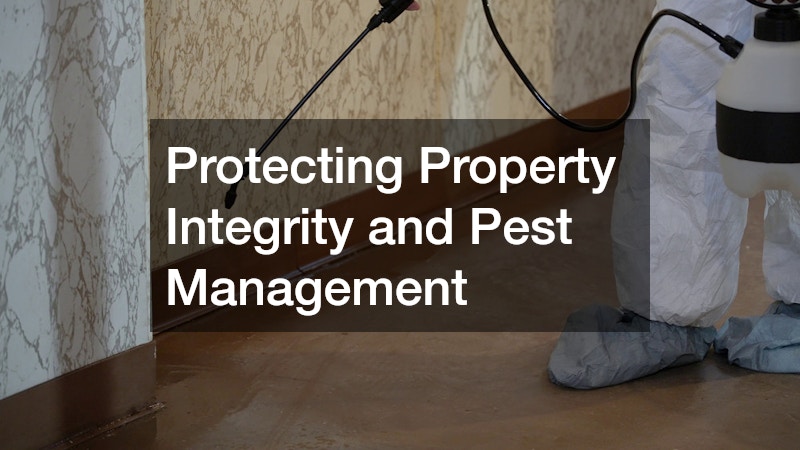
Sprawling corporate campuses, warehouses, and office complexes present endless hiding spots, entry points, and food sources for unwanted biological pests. Structural pests pose severe threats to inventory, electric wiring, food service compliance, and corporate reputation. Unaddressed pest issues can ruin stored stock, compromise health inspections, and destroy employee morale.
In large-scale facilities, DIY pest control strategies are completely ineffective. Partnering with professional mice exterminators ensures your property receives thorough structural evaluations to identify entry gaps as small as a quarter-inch. Licensed technicians set up discreet, tamper-proof exterior bait stations, seal foundation penetrations, and monitor interior pest activity using digital tracking systems to eradicate infestations before they spread through wall cavities and utility chases.
Complementing pest protection is the physical preservation of high-traffic commercial flooring. Plain concrete floors in warehouses, manufacturing bays, and heavy logistics centers are prone to chemical staining, surface dusting, oil absorption, and moisture damage under heavy forklift traffic.
Partnering with certified commercial floor coating companies to apply high-performance epoxy or polyurethane surface treatments transforms bare concrete into an impermeable, chemical-resistant, and high-gloss floor. These advanced coatings prevent fluid absorption, eliminate concrete dust that damages air filtration systems, improve visibility through light reflection, and provide superior slip resistance for foot traffic.
- Seal all utility wall penetrations: Use copper mesh and silicone sealants to block gaps where plumbing, electrical conduit, and gas lines enter buildings.
- Enforce clean breakroom policies: Require daily trash removal, food storage in sealed containers, and nightly counter sanitization across all break areas.
- Apply high-solids epoxy coatings in work bays: Protect high-traffic concrete floors from heavy forklift loads, oil drips, and impact damage with industrial coatings.
- Define safety walkways with colored coatings: Use contrasting floor coating colors to demarcate pedestrian safety lanes and forklift operating zones clearly.
- Inspect incoming freight pallets: Train warehouse receiving staff to inspect wooden shipping pallets for signs of pests before moving goods into main storage bays.
Maintaining Outdoor Surfaces and Exterior Property
The exterior presentation of your corporate campus serves as the physical front door to your business. Well-maintained parking structures, crisp asphalt surfaces, clean walkways, and clear pavement markings protect your brand image while reducing slip-and-fall liabilities, vehicle damage claims, and pedestrian accidents.
Asphalt surfaces degrade continuously under heavy vehicular weight, UV exposure, automotive fluid leaks, and freeze-thaw cycles. Neglecting minor asphalt cracks leads to deep water penetration, sub-base erosion, and costly potholes. Engaging professional parking lot contractors to conduct routine surface maintenance—such as crack sealing, sealcoating, and line striping—extends the lifespan of your pavement while ensuring full compliance with ADA accessibility guidelines.
When surface degradation reaches advanced stages, simple patch repairs are no longer sufficient. Working with a licensed paving contractor allows you to plan phased, full-depth asphalt resurfacing or mill-and-overlay projects across large properties.
Experienced paving teams schedule heavy machinery operations during weekends or low-volume operating windows, re-routing employee and freight traffic cleanly to prevent operational delays during major site overhauls.
- Schedule annual asphalt crack sealing: Fill top-layer pavement cracks with hot-pour rubberized sealant every fall to prevent water from penetrating the sub-base.
- Re-stripe directional lanes and ADA stalls: Keep parking stall lines, pedestrian crosswalks, and handicap spaces painted brightly to ensure safe traffic flow and regulatory compliance.
- Install concrete wheel stops: Position durable parking bumpers to protect building facades, light poles, and perimeter fencing from vehicle bumper strikes.
- Ensure proper site drainage: Clear storm drains, catch basins, and retention ponds of leaves and debris before heavy rainstorms to prevent parking lot flooding.
- Plan phased paving projects: Divide large parking lots into distinct work quadrants during resurfacing projects to maintain adequate parking capacity for staff and visitors.
Building a Culture of Operational Excellence

Steering a large enterprise to long-term success requires balancing strategic vision with meticulous physical facility management. A corporation is only as strong as the physical infrastructure, legal safeguards, and maintenance systems supporting its daily operations.
Establishing continuous professional development for internal facility managers ensures that your operational standards evolve alongside emerging industry technology. By providing site supervisors with training in advanced building analytics, sustainable resource allocation, and safety management, you create a leadership culture focused on proactive problem-solving rather than reactive fire-fighting.
By establishing strong vendor partnerships, scheduling preventive maintenance across all facilities, and taking a proactive stance toward legal compliance and site safety, you shield your organization from unexpected downtime and liability. Investing in your physical assets today builds a safe, efficient, and impressive enterprise environment that supports sustainable growth for decades to come.